A voice of the customer program is one of the most valuable strategies a business can implement to understand customer needs, improve products, and build long-term loyalty. In today’s competitive market, companies that actively listen to customers gain a clear advantage. They can identify pain points, improve customer experiences, and make smarter business decisions based on real feedback rather than assumptions.
Whether you run a small business or a large enterprise, creating a strong customer feedback system helps you stay connected to the people who matter most—your customers. a voice of the customer program works, why it matters, and how to create one successfully.
What Is a Voice of the Customer Program?
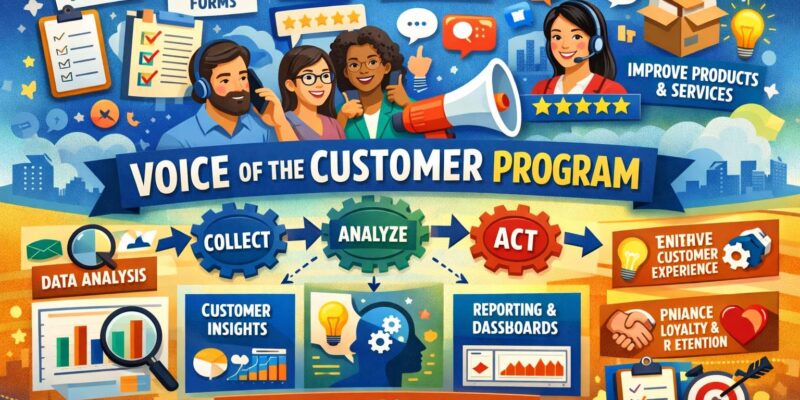
Many business owners ask, what is a voice of the customer program? Simply put, it is a structured system used to collect, analyze, and act on customer feedback. It allows organizations to understand customer expectations, preferences, frustrations, and satisfaction levels.
A successful program gathers insights through multiple channels such as surveys, online reviews, customer support interactions, social media comments, interviews, and website feedback tools. Instead of relying on guesswork, businesses use customer opinions to guide improvements.
The purpose is simple: hear what customers are saying and use that information to create better experiences.
Why Businesses Need Customer Feedback
Customer expectations are constantly changing. Products and services that worked last year may not satisfy today’s audience. customers to competitors.
A voice of the customer strategy helps companies stay updated on what customers truly want. likely to recommend a brand to others.
Companies that prioritize customer feedback often experience:
- Better customer retention
- Higher satisfaction rates
- Increased referrals
- Improved products and services
- Stronger brand reputation
- Smarter decision-making
This is why modern businesses invest heavily in listening systems.
Benefits of Voice of the Customer Program
There are many benefits of voice of the customer program strategies for companies of all sizes. advantages:
1. Improved Customer Experience
When you understand customer frustrations, you can remove obstacles and create smoother experiences. This leads to happier customers and stronger loyalty.
2. Better Products and Services
Customer feedback reveals what features people love and what needs improvement. Businesses can use this data to innovate faster.
3. Increased Revenue
Satisfied customers buy more often, stay longer, and recommend brands to others. Better experiences often lead directly to higher profits.
4. Reduced Churn
If customers are leaving, feedback helps identify the reasons. Fixing common problems reduces cancellations and lost revenue.
5. Stronger Competitive Advantage
Companies that listen closely to customers often outperform competitors that rely only on internal opinions.
Building Your Voice of the Customer Program
If you want to succeed, focus on building your voice of the customer program with a clear plan. Many businesses collect feedback but fail to organize it effectively. Here are the steps to build a successful program:
Define Your Goals
Start by asking what you want to learn. increase retention, enhance products, or boost satisfaction scores? Clear goals create better results.
Choose Feedback Channels
Use multiple channels to gather insights, including:
- Email surveys
- Live chat feedback
- Social media monitoring
- Review sites
- Customer interviews
- Support tickets
- Website pop-ups
Using several sources gives a complete picture.
Collect Feedback Consistently
One survey per year is not enough. Feedback should be ongoing so you can identify trends quickly and respond faster.
Analyze the Data
Look for common complaints, recurring requests, and satisfaction patterns. Use dashboards or analytics tools to organize responses.
Take Action
The most important step is action. If customers repeatedly mention slow service or confusing checkout processes, improvements should happen quickly.
Close the Loop
Let customers know their feedback created change. This builds trust and encourages future participation.
What Is Voice of the Customer Program in Practice?
Many people also ask, what is voice of the customer program in real business situations? It can look different depending on the company.
For example:
- An online store sends post-purchase surveys after checkout.
- A software company tracks support tickets for recurring issues.
- A restaurant asks diners to rate service through QR code feedback forms.
- A bank monitors customer complaints and service wait times.
In every case, the business gathers insights and uses them to improve operations.
Best Tools for Customer Feedback Programs
Technology makes it easier to manage a voice of the customer system. Popular tools include:
- Survey platforms
- CRM software
- Social listening tools
- Review management systems
- Analytics dashboards
- Customer support platforms
The best tool depends on business size, budget, and goals.
Common Mistakes to Avoid
Even good companies make mistakes when creating customer feedback programs. Avoid these common problems:
Ignoring Feedback
Collecting feedback without action damages trust. Customers notice when nothing changes.
Asking Too Many Questions
Long surveys reduce completion rates. Keep surveys short and focused.
Using Only One Channel
Some customers prefer email, others social media or live chat. Use multiple touchpoints.
Not Sharing Insights Internally
Customer feedback should help all departments, including sales, product, operations, and marketing.
Measuring Success
To know whether your program is working, track key metrics such as:
- Net Promoter Score (NPS)
- Customer Satisfaction Score (CSAT)
- Customer Effort Score (CES)
- Retention rate
- Repeat purchase rate
- Complaint resolution time
These numbers reveal progress over time.
Future of Voice of the Customer Programs
The future includes AI-powered sentiment analysis, real-time feedback alerts, predictive analytics, and automated customer journey insights. Businesses will be able to understand customers faster than ever before.
However, technology alone is not enough. Success still depends on listening carefully and acting with empathy.
Conclusion
A voice of the customer program helps businesses understand customer needs, improve experiences, and drive growth. By collecting feedback through multiple channels, analyzing insights, and taking meaningful action, companies can build stronger relationships and increase loyalty.
Whether you are just starting or improving an existing system, listening to customers is one of the smartest investments you can make. The businesses that succeed long term are the ones that truly hear the voice of their customers.