
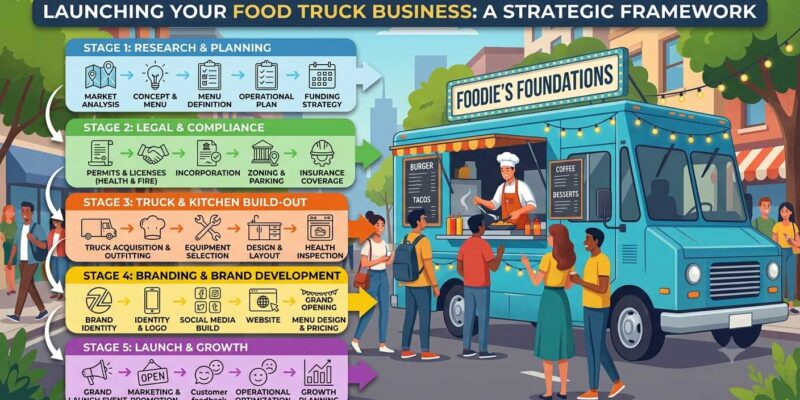
Dreaming of owning a restaurant but not ready for the cost of a traditional storefront? A food truck can be an exciting way to enter the food industry while reaching customers at festivals, office districts, parks, and local events.
Learning how to start a food truck takes more than buying a truck and creating a menu. You’ll need a business plan, licenses, equipment, marketing, and a clear understanding of your costs before serving your first customer.
This guide walks through every major step, from planning your concept to attracting loyal customers.
Why Start a Food Truck?
Food trucks continue to attract entrepreneurs because they offer flexibility and lower startup costs than many traditional restaurants.
Some advantages include:
Lower overhead
Mobility
Smaller staff requirements
Ability to test different locations
Direct customer interaction
Opportunity to build a recognizable brand
While operating a food truck still requires hard work, it can be a practical way to enter the food service industry.
Start a Food Truck Business
If you’re wondering how to start a food truck business, following a structured process can save time and reduce costly mistakes.
Step 1: Choose Your Food Truck Concept
Your concept should be easy to understand and memorable.
Popular food truck ideas include:
Gourmet burgers
Tacos
Barbecue
Pizza
Coffee
Ice cream
Sandwiches
Asian street food
Vegan meals
Breakfast items
Try to focus on one specialty instead of offering too many menu items.
A smaller menu often leads to faster service and better food quality.
Step 2: Research the Food Truck Market
Before investing money, study your local area.
Ask questions like:
What food trucks already operate nearby?
Which cuisines are popular?
Where do customers gather?
What events attract large crowds?
Are there underserved neighborhoods?
Understanding demand helps you find opportunities instead of competing directly with established businesses.
Step 3: Write a Business Plan
A business plan doesn’t need to be complicated.
Include:
Business goals
Target customers
Menu
Pricing
Marketing strategy
Startup costs
Revenue projections
Operating expenses
A clear plan also helps if you apply for financing and obtain a What Is a Business License before launching your business.
How Much Money Do You Need to Start a Food Truck?
One of the most common questions is how much does it cost to start a food truck.
Costs vary depending on location, truck condition, and equipment.
| Expense | Estimated Cost |
|---|---|
| Used food truck | $30,000–$80,000 |
| New food truck | $80,000–$200,000+ |
| Kitchen equipment | $5,000–$25,000 |
| Licenses and permits | $500–$5,000 |
| Insurance | $2,000–$6,000 annually |
| Initial inventory | $1,000–$5,000 |
| Branding and signage | $500–$5,000 |
| Marketing | $500–$3,000 |
Your actual budget will depend on your business model and local regulations, and keeping a What Is a Depreciation Schedule can help track equipment value over time.
How Much to Start a Food Truck on a Smaller Budget
If you’re researching how much to start a food truck, there are several ways to reduce expenses.
You could:
Purchase a quality used truck
Lease equipment
Start with a limited menu
Handle social media marketing yourself
Buy only essential kitchen equipment
Starting small allows you to grow as your customer base expands.
Licenses and Permits
Food trucks must meet local regulations before opening.
Requirements often include:
Business license
Food service permit
Health inspection
Fire inspection
Food handler certification
Vehicle registration
Parking permits
Rules vary by city and state, so always check local government requirements.
Choosing the Right Food Truck
The truck itself is your kitchen, storefront, and advertisement.
Look for:
Reliable engine
Proper ventilation
Adequate refrigeration
Sufficient cooking space
Electrical capacity
Plumbing system
A professional inspection before purchase can prevent expensive repairs later.
Build a Simple, Profitable Menu
A successful food truck menu should focus on speed and consistency.
Good menu characteristics include:
Limited number of items
Easy preparation
High profit margins
Fresh ingredients
Fast service
Too many menu options can slow operations and increase food waste.
Pricing Your Menu
Pricing should cover:
Food costs
Labor
Fuel
Packaging
Rent or parking fees
Insurance
Maintenance
Profit
Research competitors to understand local pricing without simply copying them, and consider using a voice of the customer program to better understand customer preferences.
Finding the Best Locations
Location often determines daily sales.
Popular spots include:
Business districts
Universities
Parks
Farmers markets
Festivals
Sporting events
Concerts
Office complexes
Rotating locations can help you reach different customer groups.
Marketing Your Food Truck
Even great food needs effective marketing.
Start with:
Social Media
Post regularly on platforms where your customers spend time.
Share:
Daily locations
Menu specials
Behind-the-scenes videos
Customer photos
Event announcements
Many food truck customers check social media before visiting, and some owners also seek Digital Transformation Consulting to strengthen their online presence.
Google Business Profile
If your truck operates from regular locations, a Google Business Profile can improve local visibility.
Loyalty Programs
Offer simple rewards such as:
Buy nine meals, get the tenth free.
Discount after several visits.
Birthday offers.
Repeat customers often become your strongest marketing channel.
Managing Daily Operations
Running a food truck involves more than cooking.
Daily tasks include:
Inventory management
Cleaning
Food preparation
Equipment maintenance
Fuel management
Cash handling
Customer service
Creating daily checklists helps maintain consistency.
Staffing Tips
Many food trucks begin with one or two people.
As sales increase, consider hiring staff who can:
Prepare food
Take orders
Handle payments
Manage cleaning
Friendly service encourages repeat business.
How to Start a Food Truck With No Money
Many aspiring entrepreneurs ask how to start a food truck with no money.
While completely free isn’t realistic, several financing options may help.
Possible approaches include:
Small business loans
Equipment financing
Partnerships
Investors
Crowdfunding
Local grants
Personal savings
Another option is working in the food industry first to gain experience while saving for your own truck. If you choose a simple business structure, learning What Is a Disregarded Entity may also be useful before getting started.
Common Challenges
Food truck owners often face:
Weather changes
Equipment breakdowns
Seasonal demand
Parking restrictions
Rising ingredient costs
Planning ahead helps reduce these risks.
Common Mistakes to Avoid
Buying the Wrong Truck
An inexpensive truck with constant repair issues may cost more over time.
Offering Too Many Menu Items
A focused menu improves speed and quality.
Ignoring Marketing
Customers can’t buy from you if they don’t know where you’ll be.
Keep your online location updated daily.
Underestimating Operating Costs
Fuel, repairs, insurance, and maintenance add up quickly.
Budget for unexpected expenses.
Daily Startup Checklist
Before opening each day, confirm:
Food inventory is stocked.
Refrigeration is working.
Cooking equipment is clean.
Fuel levels are adequate.
Payment systems function correctly.
Social media location is updated.
Permits are available if required.
A consistent routine reduces operational problems.
Growth Opportunities
Once your food truck becomes successful, you may expand by:
Adding another truck
Catering private events
Selling branded merchandise
Opening a permanent restaurant
Offering online ordering
Launching packaged food products
Many well-known restaurant brands began as food trucks.
Frequently Asked Questions
Is a food truck profitable?
It can be. Profitability depends on location, menu pricing, operating costs, and customer demand.
How long does it take to start?
Many entrepreneurs spend several months planning, purchasing equipment, obtaining permits, and preparing before opening.
Can I operate alone?
Some owners start alone, but having at least one helper often improves efficiency during busy periods.
Do I need cooking experience?
While professional culinary training isn’t always required, strong cooking skills and food safety knowledge are highly valuable.
What’s the biggest factor in success?
Great food, excellent customer service, smart location choices, and consistent marketing all play major roles.
Turn Your Food Truck Idea Into a Business
Learning how to start a food truck is about building a business, not just buying a vehicle. From choosing the right concept and creating a profitable menu to understanding how much does it cost to start a food truck, every decision affects your long-term success. If you’re exploring how to start a food truck business, take the time to research your market, develop a realistic budget, and create systems that keep daily operations running smoothly.
For entrepreneurs wondering how much to start a food truck or even how to start a food truck with no money, careful planning, financing options, and a willingness to start small can make the goal more achievable. Focus on serving quality food, building strong customer relationships, and adapting to your local market, and you’ll be in a much better position to grow your food truck into a successful and lasting business.